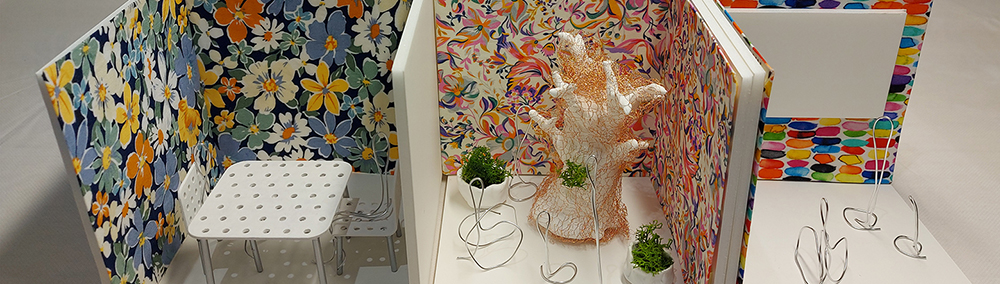
Ajumma [Ah‑Joom‑Mah] is a Korean gender‑ and age‑related derogatory term used to depict women in menopause, usually those in heterosexual marriage with a few obligatory children. It is a label for Korean menopausal women, implying they are “over the hill,” “no longer worthy of the male gaze,” “too loud, crazy, outspoken,” or that they’ve “let themselves go” in appearance — stereotypes that reduce them to caricatures rather than people. Today, no woman wants to be called Ajumma, as it is considered beyond the “attractive age.” I suppose “attractive age” must mean the reproductive age, because society still tends to value women most when they fall within that period.
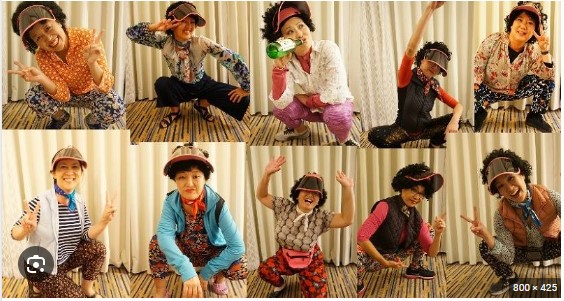
Stereotyped images of Ajumma. Image: Pinterest
Growing up in South Korea, I remember it was still a developing, low-income country. Unlike the current perception, the meaning of Ajumma was quite different back then. From my perspective as a child, I looked up to them, and I needed them to survive. Continue reading