Advocating for women’s health and well-being has become my passion and lifelong pursuit. I wish my mum and all the women in my life had known some of what I have learned. I dream of all women being better educated and empowered. Knowledge is power. Truly. I grow each day, thanks to other women’s deeply shared lived stories and to evidence-based research. Little did I know that researching menopause meant delving into the entire second half of women’s lifespan, encompassing every aspect of human experience.
When I started pondering the concept of menopause in 2024, I thought it would be relatively straightforward. When I started writing grant applications about it, I was surprised by how tricky it was to find a so-called menopause expert in Australia. From my own experience, I knew it involved pain, fatigue, mood, and disrupted immune functions, so based on my experience, I formed my team of researchers I already had relationships with :
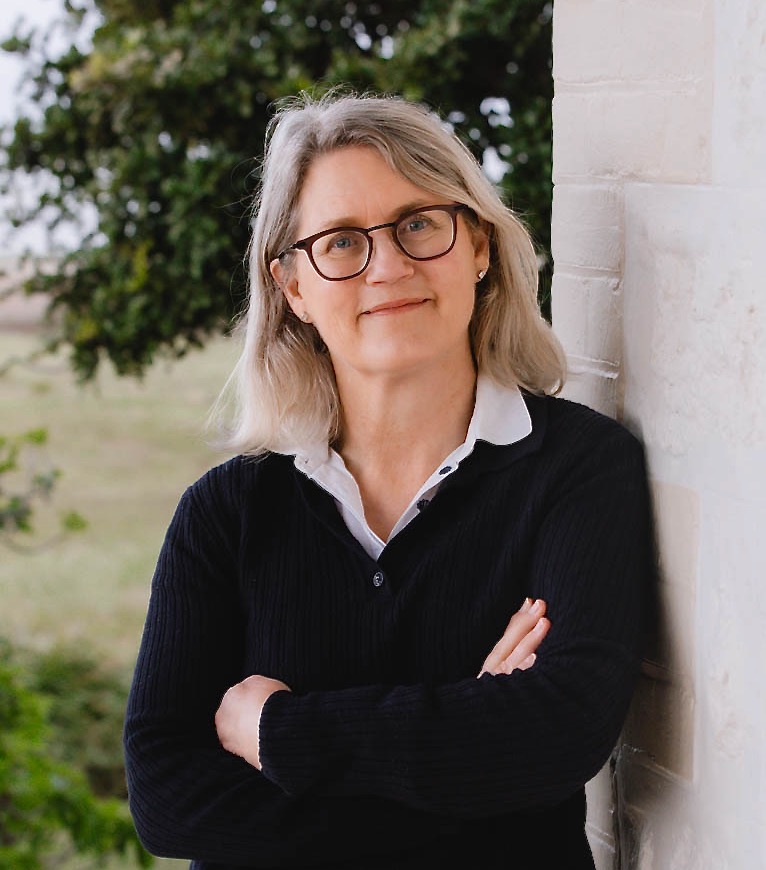
Dr Carolyn Berryman (Image credit:
Dr Carolyn Berryman (Clinical Neuroscientist & Senior Physiotherapist)
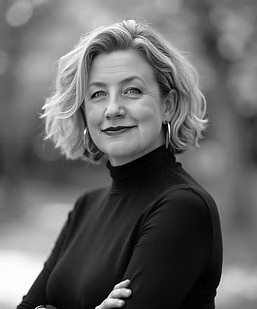
Jane Miskovic-wheatley
Dr Jane Miskovic-Wheatley (clinical psychologist)
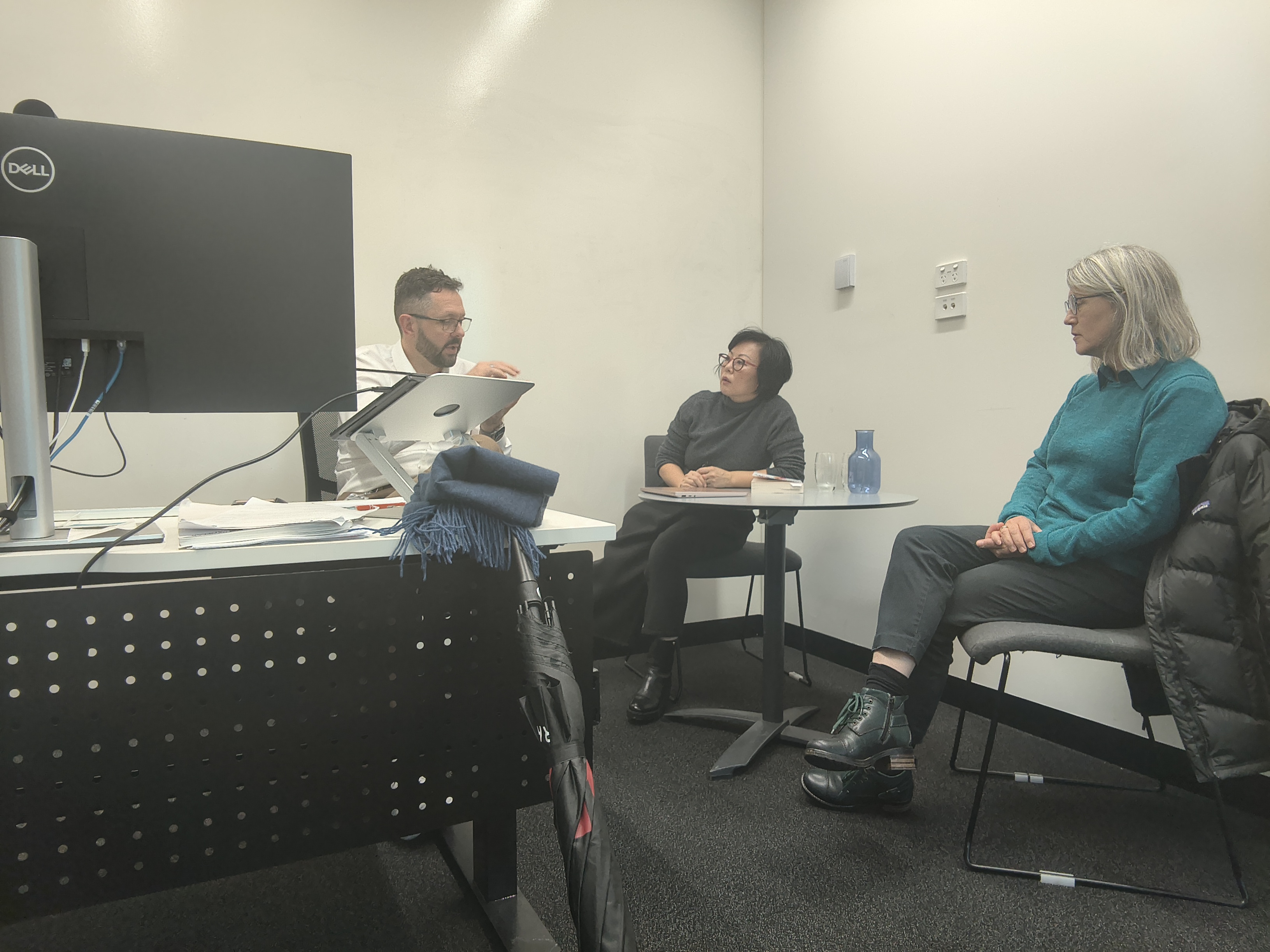
Prof Mark Hutchinson, Dr Carolyn Berryman, Eugenie Lee in his office
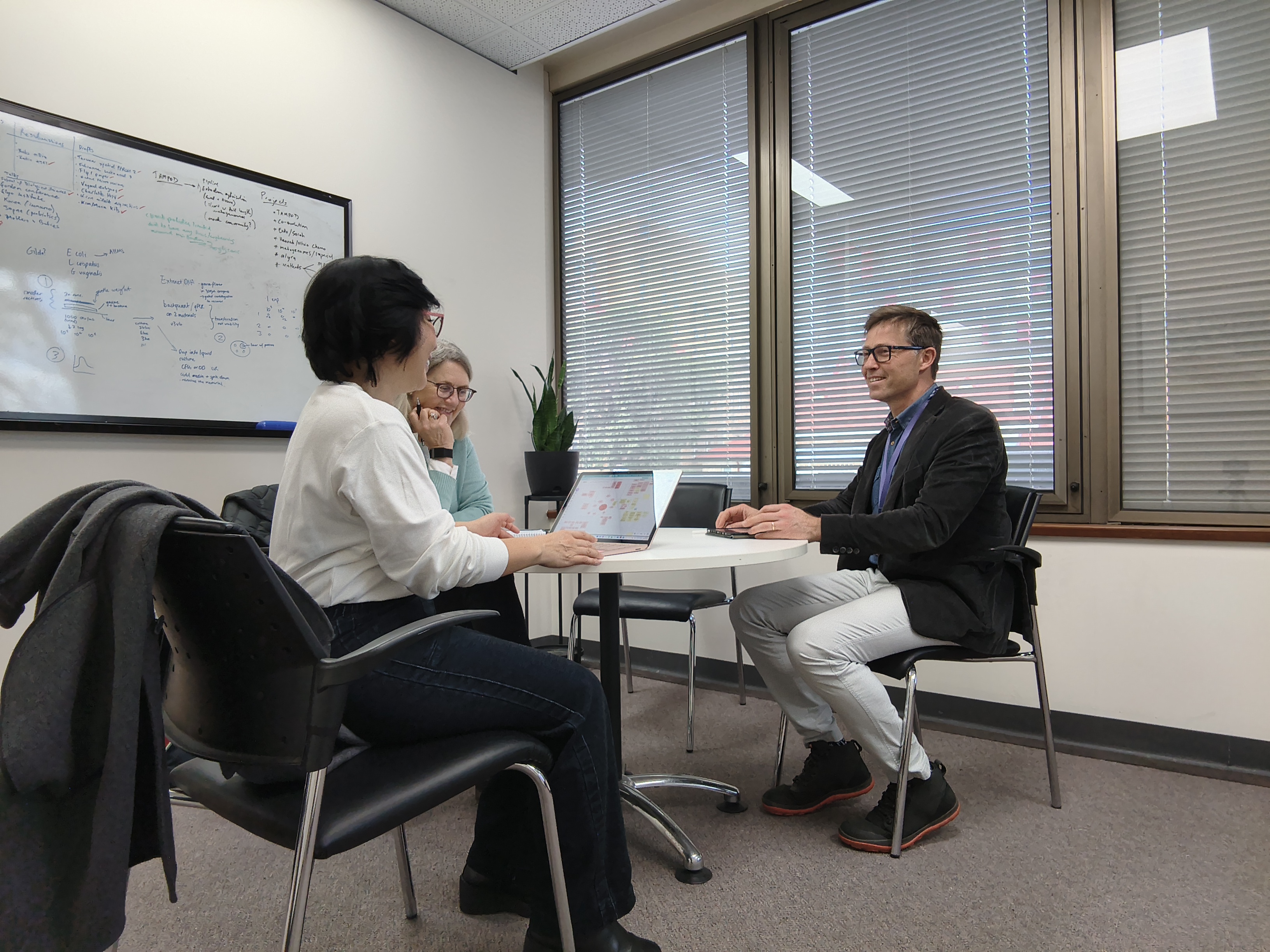
To the team, Carolyn also brought in Prof Mark Hutchinson, who leads the Neuroimmunopharmacology lab at Adelaide University. His role was to guide me on all aspects of immune regulation and inflammation.
With the support of two successful grants from Creative Australia for the first stage of the project, I embarked on initial research with my collaborators and conducted community interviews with menopausal women with lived experience early this year.
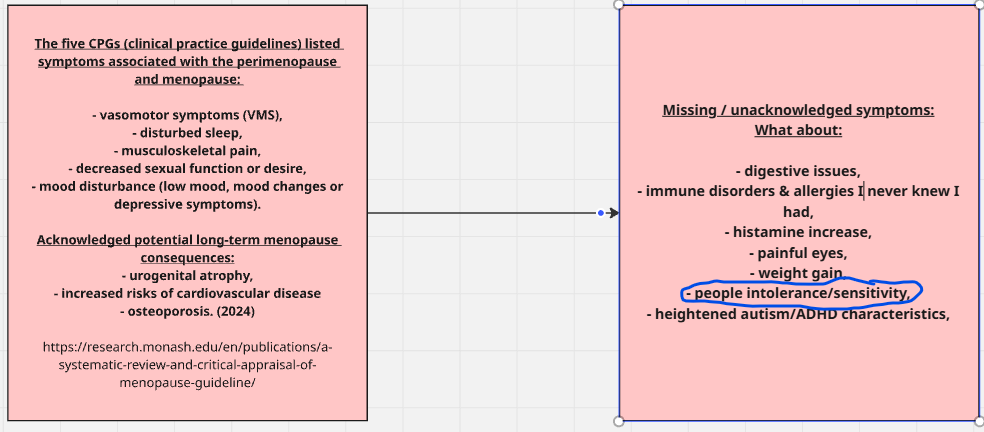
However, within the first few days, it became overwhelmingly evident that I knew very little about menopause, despite being menopausal. Furthermore, my collaborators brought their expertise in their respective fields to the project, but we explored menopause together, approaching it from the peripheries. This was because no one had learned about menopause as a primary subject of research. No one does to this day.
Why? No medical students learn much about menopause during their years of training, possibly less than they do about persistent/chronic pain. Menopause is rarely taught in medical schools worldwide, typically for about 30 minutes over the entire course, or sometimes only as a footnote in some universities. This explains why I couldn’t find a suitable menopause expert before – no clinicians had ever studied menopause as their primary subject because such a subject never existed. It still doesn’t.
No discipline owns menopause. Menopause, as a field of study, is an orphan. Gynaecologists are primarily concerned with the reproductive organs of women in their reproductive years. Endocrinologists deal with hormones, but not with an overarching, vast human experience such as menopause. GPs are better trained to see the full range of human diseases, but, like other medical practitioners, they are simply not taught much about menopause. The very few doctors who are well-versed in supporting menopausal women are those who have done extra training outside their practice. They are self-taught. Thank goodness for these troopers. There are more of them now than a few years ago.
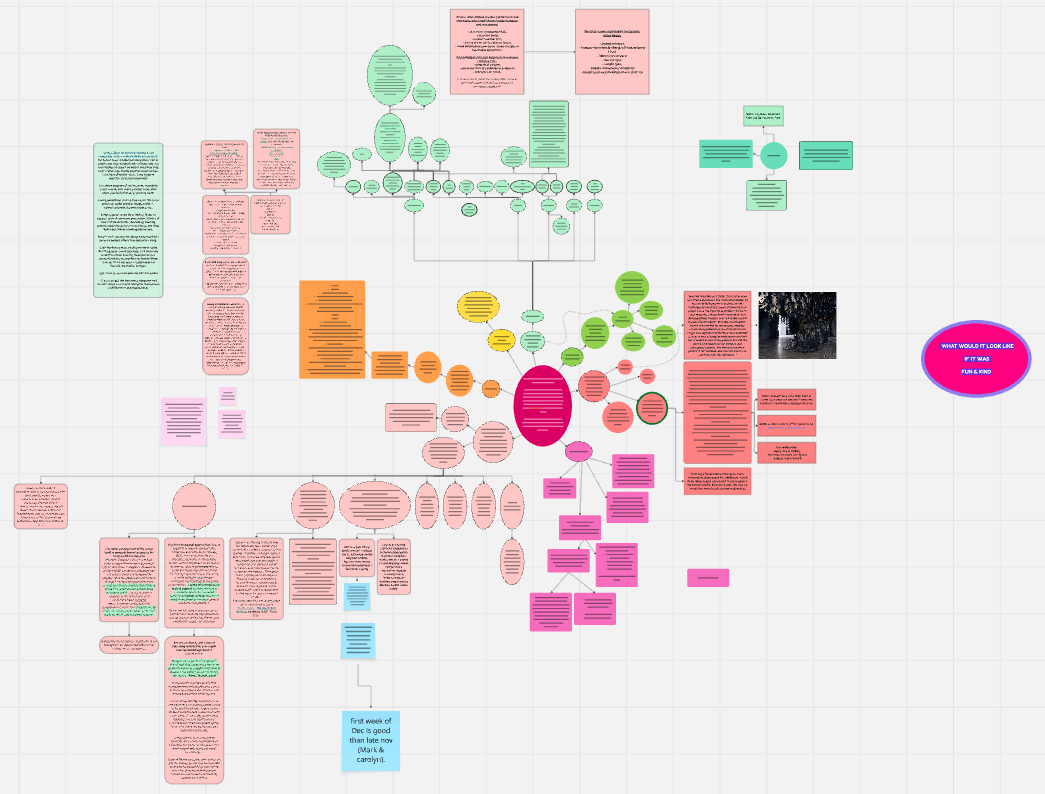
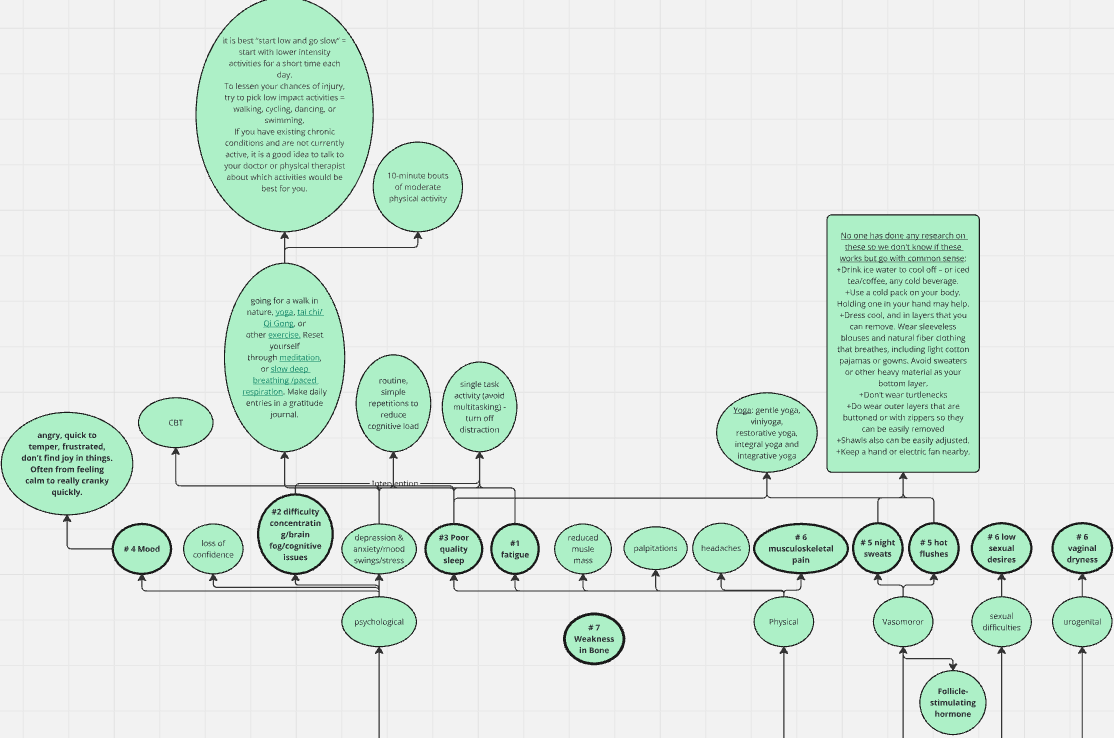
Valid knowledge about menopause is out there, but it is scattered. There is more misinformation about menopause than solid, evidence-based knowledge. Everyone seems to be talking about menopause these days, compared with when I first thought of this topic for my art project two years ago. Part of the collaborators’ and my tasks at this stage of research have been to identify who, what, and where to turn to obtain the right sources to jigsaw-puzzle this enormously complex topic of menopause.
Menopause care is multifactorial – no single discipline, treatment, or approach can address every aspect of women’s post-reproductive lives over their 30-40 years. That is why I had to bring in additional researchers to this project. They are:
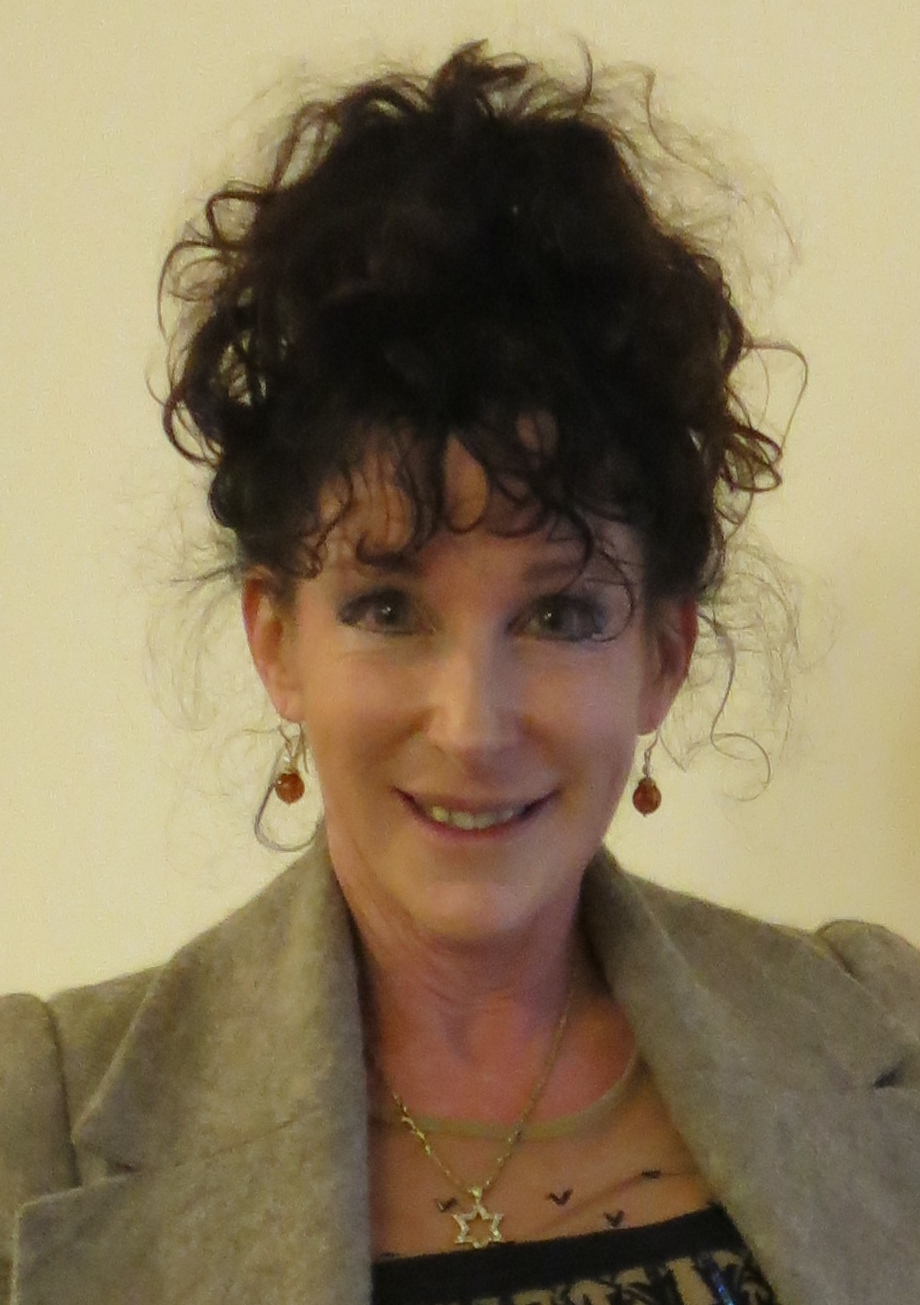
Dr jenny Bromberger
Dr Jenny Bromberger (Integrative GP, Woolloomooloo, NSW)
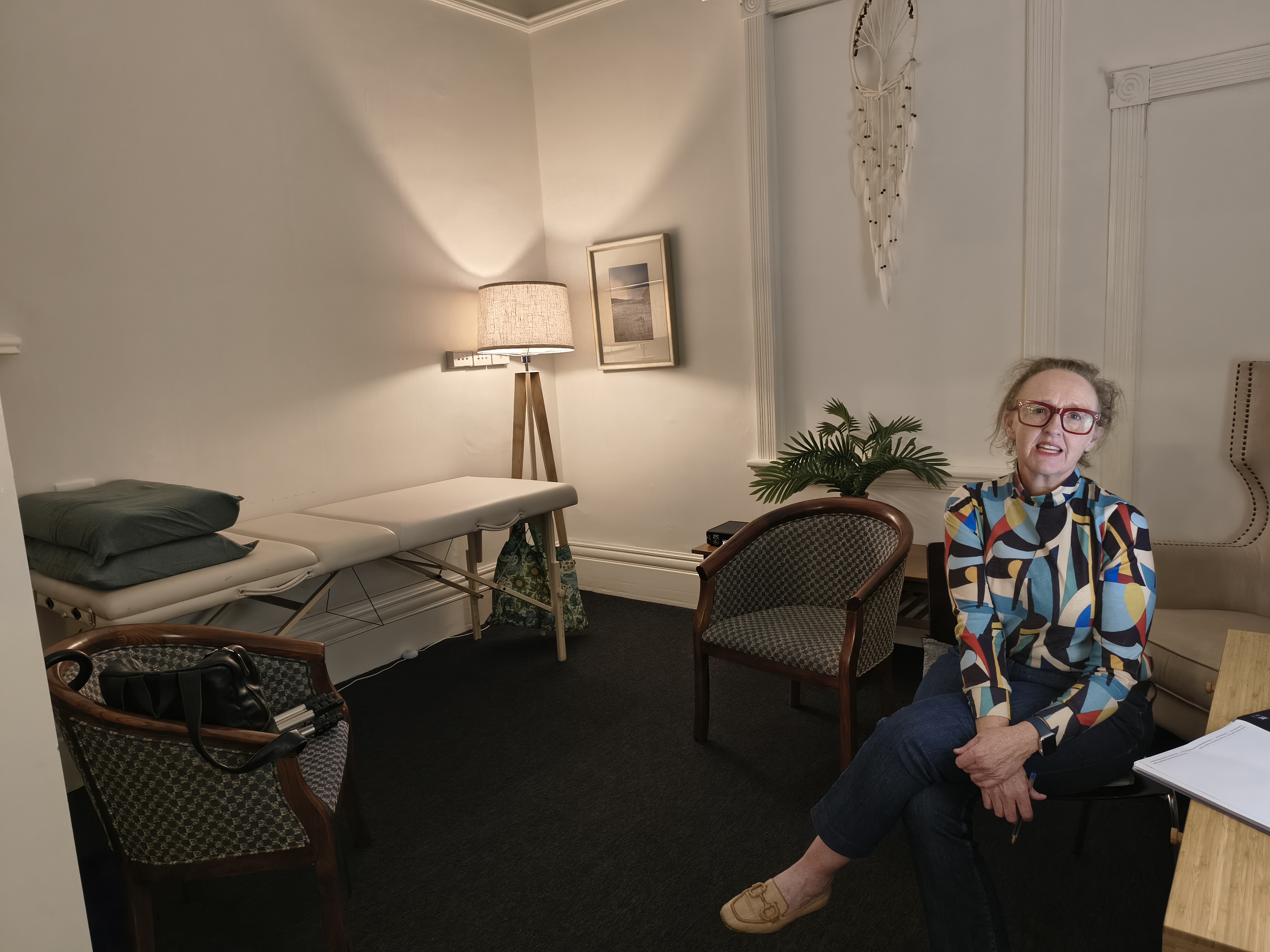
Ann Trager-Spees in her clinic
Ann Traeger-Spees (Sexologist, pelvic physiotherapist, Kaurna/Adelaide, SA)
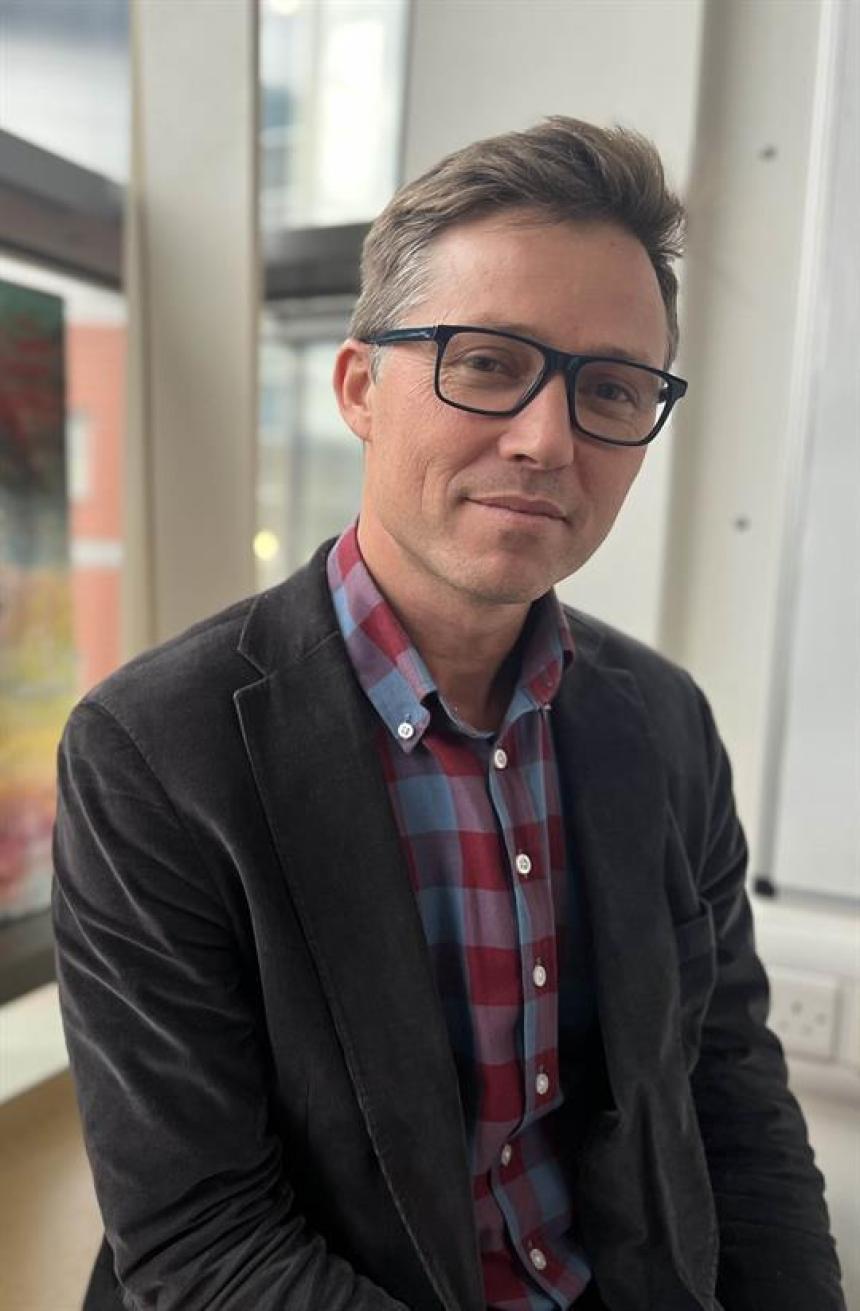
Prof David MacIntyre
Prof David MacIntyre (Professor of Reproductive Systems Medicine, Adelaide Uni)
So far, my research with them have been incredible. All female researchers passionately bring their lived experience and expertise, and the male researchers bring their allyship and expertise to the project. This project doesn’t just belong to me. It belongs to all of us involved.