INFLAMMATION

The more I do research, the more I come across the topic of inflammation. It is clear that menopause and aging are intrinsically linked to inflammation.


Here are friendly easy resources to learn more about inflammation – I tried reading scientific literature about inflammation but it’s a serious mind-boggling #(%*&$@(%. I can’t even get a simple definition of inflammation in plain English. When I came across the resources below, I was relieved and delighted.

ZOE Science & Nutrition | 4 foods that heal your gut and reduce inflammation (in as little as 24 hours!) | Dr Will Bulsiewicz

https://www.podbean.com/ea/dir-q7inj-2a7efc34

Or a YouTube version https://www.youtube.com/watch?v=I6jQgIjuNHU


James Nestor’s book, ‘Breath’, entertainingly shares stories and scientific studies on breathing correctly to drastically improve our wellbeing and reduce anxiety and stress, which, in turn, calm chronic inflammation. On his website, he freely shares audio breathwork if you sign up.

https://www.mrjamesnestor.com/audio


ZOE Science & Nutrition | The daily step count that cuts inflammation in half | Prof. Janet Lord

https://www.podbean.com/ea/dir-zzyzn-261200a0


OTHER LINKS I ALSO LOVED:

ZOE Science & Nutrition | Davina McCall: Make this choice every day to reduce menopause symptoms

https://www.podbean.com/ea/dir-6393v-21bcb3f5

ZOE Science & Nutrition | Fix your sleep with the Royal Marine’s sleep consultant Dr. Sophie Bostock

https://www.podbean.com/ea/dir-uwwwk-27ab4cd6

GUT HEALTH

(NOTE: ‘women’ in this project refers to individuals who identify as such and/or are born with a genetic makeup that necessitates undergoing the female menopausal transition – peri-menopause, menopause, and post-menopause. For convenience, I will use the term ‘menopause’ to encompass the whole transition and the second half of women’s lives.)


This is a highly under-researched area. When I initially started researching menopause, the valid resources listed common symptoms but never included disrupted digestive issues, let alone the microbiome.

a street view of a building

Robinson Research Institute, Adelaide University
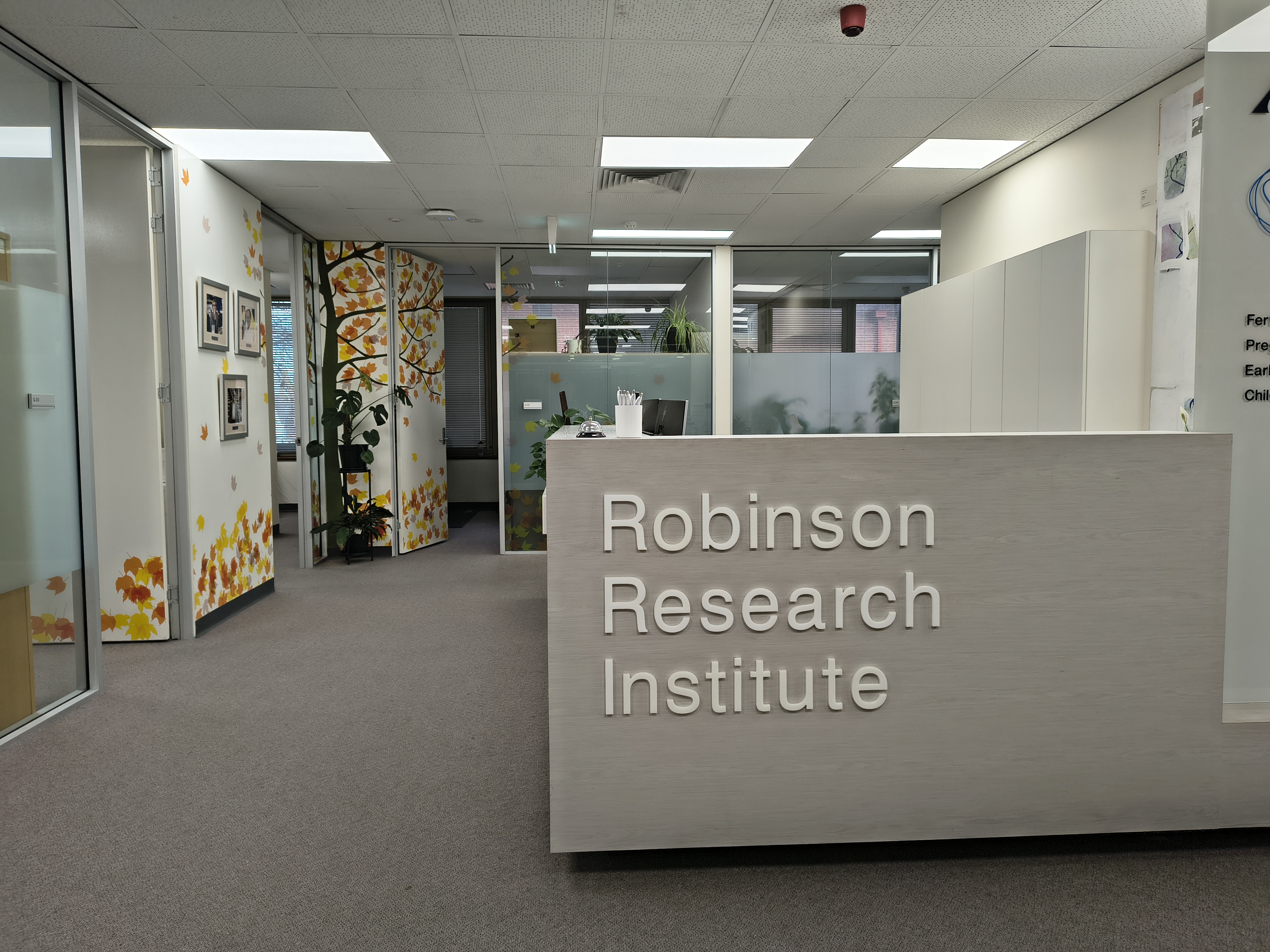
A reception with grey carpet and a large plaque

At the reception of Robinson Research Institute, waiting to see Prof David MacIntyre

I began to collaborate with Prof David MacIntyre, Robinson Research Institute, Adelaide Uni, to explore this fascinating topic. Robinson Research Institute has been primarily focusing on the female reproductive system, including, for example, postnatal depression. Research shows that women who experience postnatal depression are more likely to have severe menopausal symptoms later on. I am curious how their microbiome plays a role in this. Emerging research also says that women with endometriosis and adenomyosis, and/or who have taken contraceptive pills, have highly imbalanced gut microbiomes.
An adelaide uni plaque

While waiting to see Prof David MacIntyre, I noticed a plaque at the Robinson Research Institute. I had a burning desire to write “Menopause Research” with a permanent marker there. I wish I had a marker with me. Would I get away with it if I did write it?

When Dr Carolyn Berryman and I met David for the first time, we discussed his current research on the microbiome of women with endometriosis, and he was also interested in the full lifespan of women’s gut microbiome, including menopause. This got me very excited, and I look forward to exploring this further with him later. I am going to ask him about women with endometriosis and how this may play a significant role in their menopause, because for some women, endometriosis continues after they reach menopause. But there is still so much unknown about endometriosis, let alone menopause; I would be surprised to get clarity on this. I will cover the content of our next meeting in future posts.
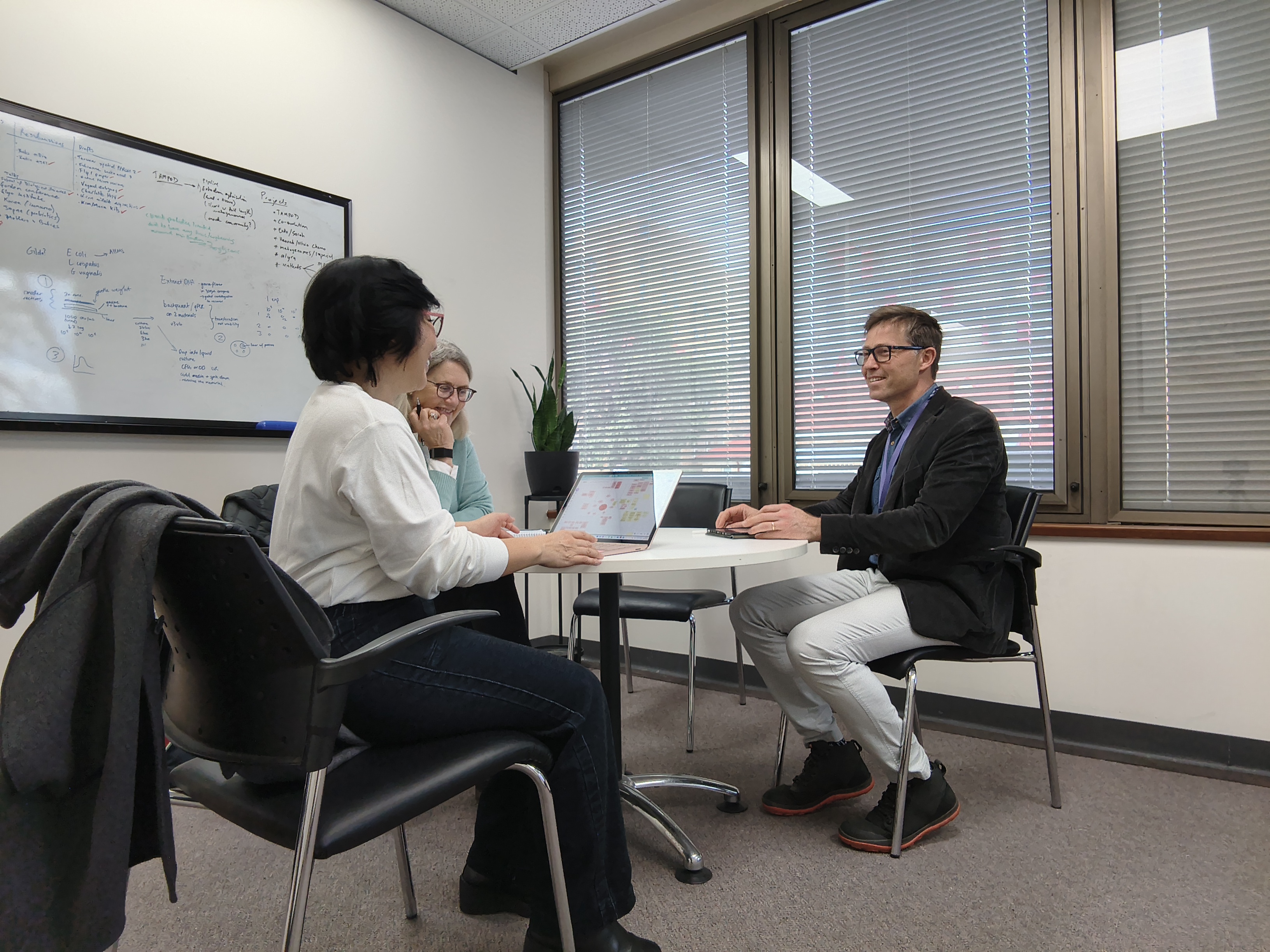
three people sitting in an office

From right: Prof David MacIntyre, Dr Carolyn Berryman, Eugenie Lee

In the meantime, I’ve been doing my own research. Here is what we know so far about the relationship between menopause and the gut microbiome:

https://zoe.com/learn/gut-microbiome-menopause-changes

According to Zoe Science & Nutrition, our gut is a hormone factory. If we don’t look after our gut, the delicate balance of hormones will be disrupted, affecting our brain, inflammation, metabolic health, and overall wellbeing, including menopause.

As women transition into menopause, the oestrogen that has been supporting our gut health declines, leading to many gut and brain issues (anxiety, depression, memory, and executive functions).

Zoe’s podcast, episode (2 July 2 2026 issue) – ‘How to build a better brain: The 5 foods you need to protect your memory, mood and to cut dementia risk | with Felice Jacka (Professor of neuropsychiatry) and Tim Spector (Professor of Genetic Epidemiology).

https://www.podbean.com/ea/dir-k6d63-2f23ab13


Another research material I’ve found is a book titled ‘The Menopause Gut’ by Cynthia Thurlow. Here is a downloadable short info to learn about four gut types for menopausal women.

https://assets.cdn.filesafe.space/KoVj9BZlFtLUyD4Z4uVi/media/69c2545a427f6e27fd66d568.pdf


4 things you can do today to improve your immunity – interview with gastroenterologist Dr Giulia Enders.

https://www.youtube.com/watch?v=dVTF1xRt3sw

I am currently reading her two books, ‘Gut’, and ‘Organ Speak’. She also did a Netflix documentary called ‘Hack Your Health: The Secrets of Your Gut’.
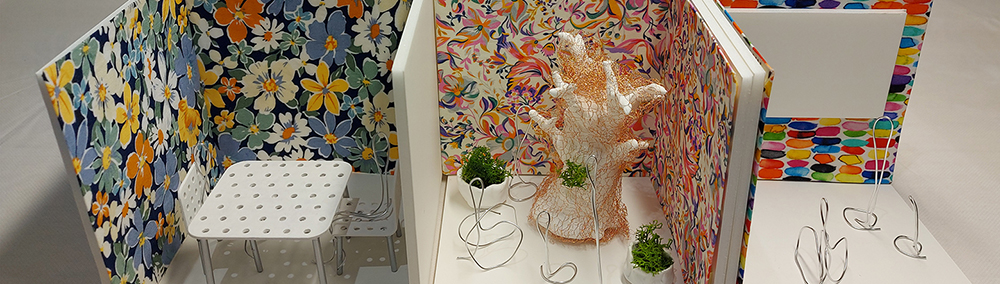
SYMPTOMS OF MENOPAUSE & MIND MAP

(NOTE: ‘women’ in this project refers to individuals who identify as such and/or are born with a genetic makeup that necessitates undergoing the female menopausal transition – peri-menopause, menopause, and post-menopause. For convenience, I will use the term ‘menopause’ to encompass the whole transition and the second half of women’s lives.)


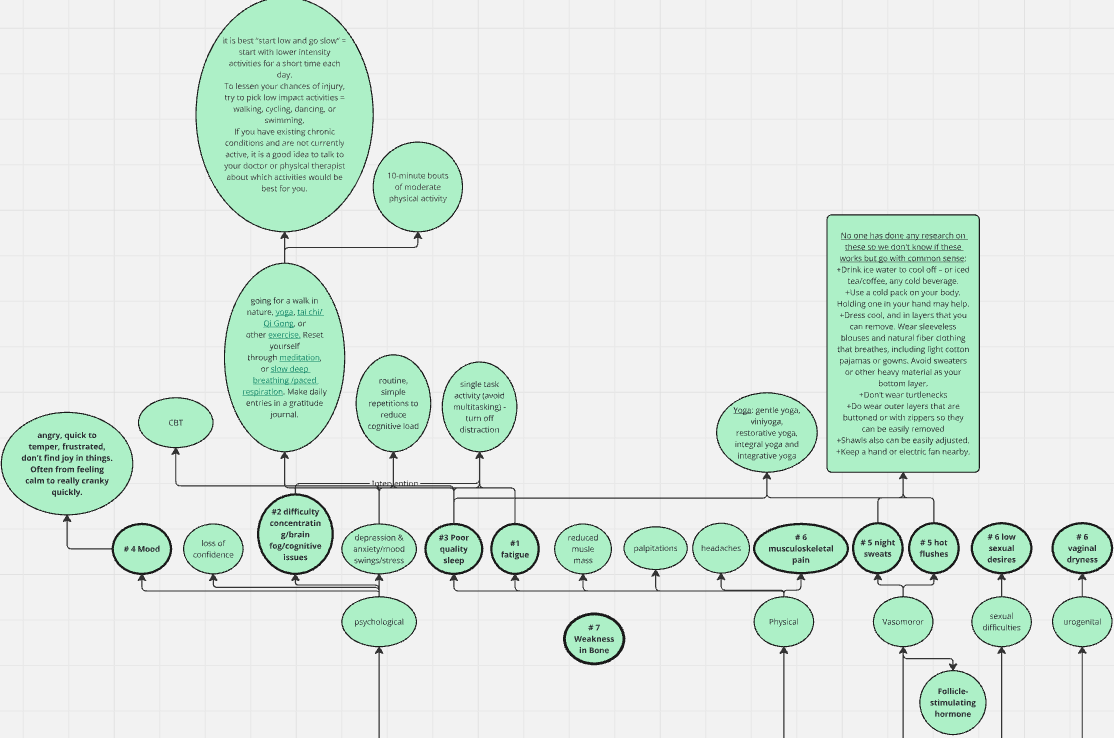
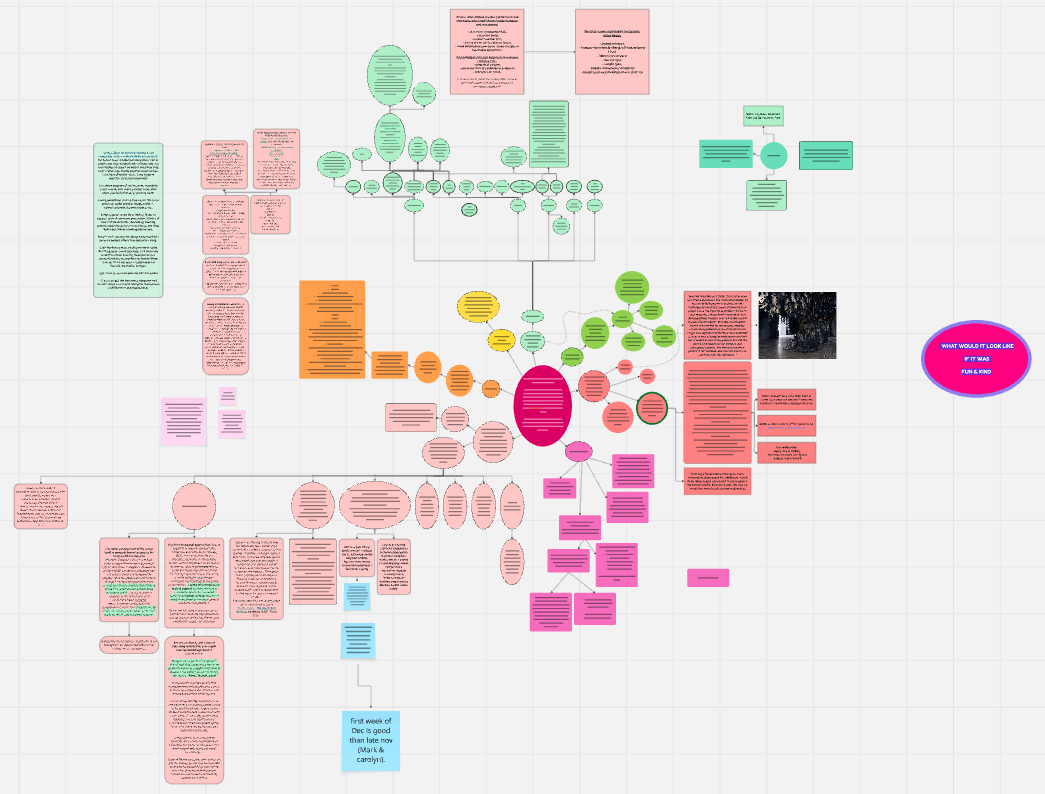
I have gathered common symptoms of menopause according to the current scientific literature.  Here is the mind map to visualise the symptom categories.

colourful bubbles with lots of text. Each bubble is linked by lines to other bubbles.

Mind map to list official menopausal symptoms and recommended treatment options, alongside my collaborators and my thoughts.

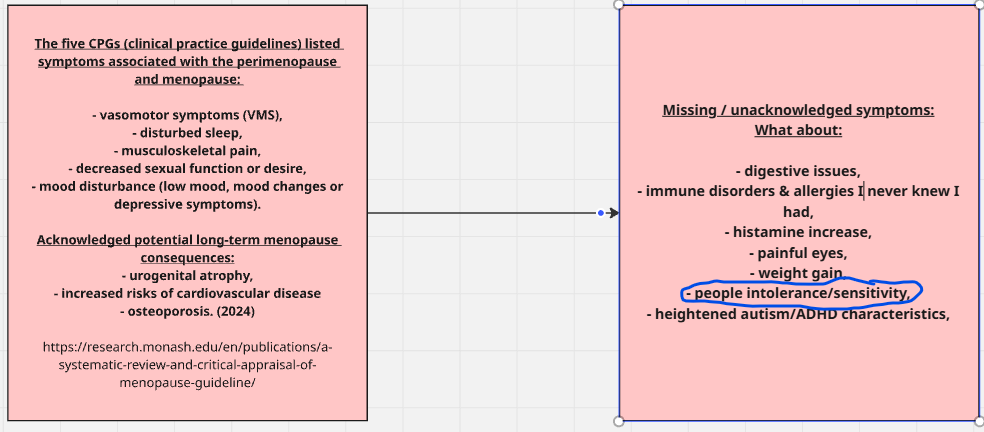
Close up for the official symptoms:

Green bubbles with text

The official symptoms of menopause. Depending on research, some of these symptoms are either excluded or included.

But more I do research and listen to the lived experience, the more I think the officially acknowledged symptoms are rather short.

It is evident the official list is a work in progress, because depending on the paper, some researchers mention only a few symptoms; for example, some say mental health, including anxiety and depression, is NOT a part of menopause, while others vehemently disagree. I happen to tick most of the boxes on the list for my own symptoms, AND have some more –

Note the blue circle below. When I mention this to all the women I’ve spoken to, most women say ‘oh yeah…’ with a knowing nod when I mention them.

Two pink rectangular bubbles. and a blue circle on the right.

The left text is the condensed version of the officially recognised menopausal symptoms. On the right is the ones I could list that should be included.

People intolerance. I’m no longer tolerant of certain behaviours I see in people around me. It gives metaphorical hives and nausea. Perhaps it’s turning into an allergy. Many would verbally express it as “I’m done with that (or you)”. It is a nice form of an allergy. All ajumma must have this allergy. If you have this allergy, you are an ajumma. I love you.

Since I’ve created the mind maps, there has been an update. According to the largest menopause study by Zoe from the UK, there are now 38 known menopausal symptoms. But people intolerance isn’t one of them yet. It should be.


RESOURCES FOR MENOPAUSE EDUCATION

(NOTE: ‘women’ in this project refers to individuals who identify as such and/or are born with a genetic makeup that necessitates undergoing the female menopausal transition – peri-menopause, menopause, and post-menopause. For convenience, I will use the term ‘menopause’ to encompass the whole transition and the second half of women’s lives.)


Australian-based info (weeks – months’ worth of great info here):

https://wellfemme.com.au/about/

https://wellfemme.com.au/guides-and-fact-sheets/

https://wellfemme.com.au/wellfemme-webinars/


Free app for Australian menopause support, created by Dr Cari Cashell  with evidence-based info & community:

https://www.healthyhormones.au/


Dr Louise Newson, a UK-based menopause expert, providing free worldwide educational resources, including a free app & podcast:

https://www.drlouisenewson.co.uk/


The one and only Dr Kelly Casperson, a US-based urologist and a menopause expert. Her podcast is a must with information and a smile:

https://kellycaspersonmd.com/

I got her Audible called ‘The Menopause Moment’. It was so good, but I will need to buy the physical book as well so I can highlight and write notes.


Zoe’s MenoScale – a free online tool – to score where you are at with your Menopausal Symptoms. It takes approx. 2 mins with downloadable dietary guidance.

https://zoe.com/menoscale?lead_id=1a6e6254-b051-475b-a597-916bdd7db336

ZOE Science & Nutrition | How to track your menopause symptoms | Dr. Sarah Berry and Tamsen Fadal

https://www.podbean.com/ea/dir-sdqct-229c6a9d


Lisa Mosconi – A pioneer for the female brain, brain nutrition, and Women’s health. She’s written a book called ‘The Menopause Brain’, and ‘Brain Food’.

https://www.lisamosconi.com/

THE BASICS OF HORMONES IN MENOPAUSE (Part 2)

(NOTE: ‘women’ in this project refers to individuals who identify as such and/or are born with a genetic makeup that necessitates undergoing the female menopausal transition – peri-menopause, menopause, and post-menopause. For convenience, I will use the term ‘menopause’ to encompass the whole transition and the second half of women’s lives.)


  • In conjunction with the hormonal top-up, evidence shows there are many other proactive steps we can take, which my collaborators and I are exploring for narrative development.
  • The current recommendations suggest improving physical activity, sleep, stress management, and nutrition. Easier said than done, so we need extra support and knowledge in these areas.
  • Hormones are present throughout our bodies. We have always had them. We need them to survive and function well. Balanced hormones help keep us well.
  • During the menopause transition, hormones fluctuate and eventually decline significantly. Menopause affects the whole person, not just the reproductive organs, such as the ovaries. We should never underestimate the impact of diminishing hormones, as these issues are real. Here is a good resource in plain English, along with actionable advice. https://www.youtube.com/watch?v=DvT6NNpwA0I&t=56s
  • You can find out your own menopause symptom scores here for free. It is called ‘MenoScale Score’ – developed by the team of scientists from ZOE, as the result of the world’s largest menopause study into the link between diet and menopause: https://zoe.com/menoscale?lead_id=51fc5152-b38d-412f-89bb-563af650ae1b
  • Too often to this day, women are discouraged from exploring HRT options by untrained doctors. Be prepared to ask for second, third, and fourth opinions if this is the case. Don’t give up.
  • Trained doctors provide evidence-based information about HRT. They encourage women to make an informed choice about whether they want a top-up.
  • Here is a growing list of menopause doctors in Australia: https://www.healthyhormones.au/c/find-a-doctor/menopause-doctors-c452a877-11d5-45f3-a51f-7413aa160ca3
  • And here, particularly suitable for telehealth for menopause support: https://wellfemme.com.au/
  • Hormones play an important protective role. When hormones are no longer there, there will be some long-term health consequences we need to be aware of; therefore, we should never dismiss women’s menopause-related concerns. Some of the health consequences are:
  • cardiovascular disease (e.g., stroke, high blood pressure),
  • neurodegenerative diseases (e.g., dementia, Parkinson’s),
  • mood disorders (e.g., depression, anxiety, suicide ideation),
  • inflammations (e.g., joint pain, autoimmune disorders, overactive Mast Cells),
  • musculoskeletal diseases (e.g., osteoporosis),
  • digestive issues (e.g., IBS, constipation, Crohn’s),
  • Urogenital dysfunctions (e.g., UTI, pelvic pain),
  • Even some cancers, and
  • Worsening neurodivergent characteristics (hormone changes can cause profound effects on their brains, particularly on neurodivergent women, and it is one of the reasons why many women are diagnosed as neurodivergent in their perimenopause) https://www.podbean.com/media/share/dir-gudtd-2fb72336?utm_campaign=a_share_ep&utm_source=a_share_dir&utm_medium=dlink