INFLAMMATION

The more I do research, the more I come across the topic of inflammation. It is clear that menopause and aging are intrinsically linked to inflammation.


Here are friendly easy resources to learn more about inflammation – I tried reading scientific literature about inflammation but it’s a serious mind-boggling #(%*&$@(%. I can’t even get a simple definition of inflammation in plain English. When I came across the resources below, I was relieved and delighted.

ZOE Science & Nutrition | 4 foods that heal your gut and reduce inflammation (in as little as 24 hours!) | Dr Will Bulsiewicz

https://www.podbean.com/ea/dir-q7inj-2a7efc34

Or a YouTube version https://www.youtube.com/watch?v=I6jQgIjuNHU


James Nestor’s book, ‘Breath’, entertainingly shares stories and scientific studies on breathing correctly to drastically improve our wellbeing and reduce anxiety and stress, which, in turn, calm chronic inflammation. On his website, he freely shares audio breathwork if you sign up.

https://www.mrjamesnestor.com/audio


ZOE Science & Nutrition | The daily step count that cuts inflammation in half | Prof. Janet Lord

https://www.podbean.com/ea/dir-zzyzn-261200a0


OTHER LINKS I ALSO LOVED:

ZOE Science & Nutrition | Davina McCall: Make this choice every day to reduce menopause symptoms

https://www.podbean.com/ea/dir-6393v-21bcb3f5

ZOE Science & Nutrition | Fix your sleep with the Royal Marine’s sleep consultant Dr. Sophie Bostock

https://www.podbean.com/ea/dir-uwwwk-27ab4cd6

GUT HEALTH

(NOTE: ‘women’ in this project refers to individuals who identify as such and/or are born with a genetic makeup that necessitates undergoing the female menopausal transition – peri-menopause, menopause, and post-menopause. For convenience, I will use the term ‘menopause’ to encompass the whole transition and the second half of women’s lives.)


This is a highly under-researched area. When I initially started researching menopause, the valid resources listed common symptoms but never included disrupted digestive issues, let alone the microbiome.

a street view of a building

Robinson Research Institute, Adelaide University
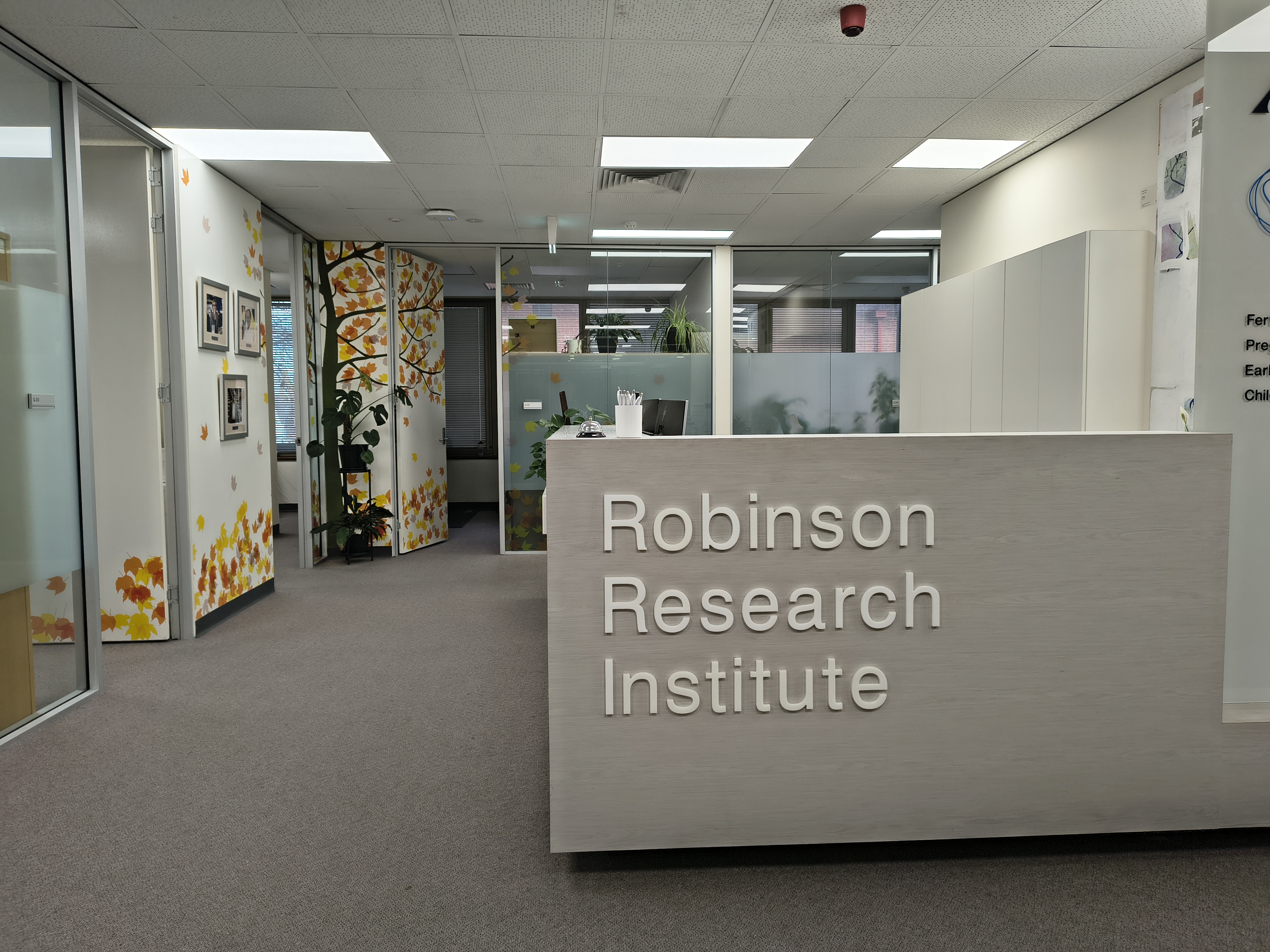
A reception with grey carpet and a large plaque

At the reception of Robinson Research Institute, waiting to see Prof David MacIntyre

I began to collaborate with Prof David MacIntyre, Robinson Research Institute, Adelaide Uni, to explore this fascinating topic. Robinson Research Institute has been primarily focusing on the female reproductive system, including, for example, postnatal depression. Research shows that women who experience postnatal depression are more likely to have severe menopausal symptoms later on. I am curious how their microbiome plays a role in this. Emerging research also says that women with endometriosis and adenomyosis, and/or who have taken contraceptive pills, have highly imbalanced gut microbiomes.
An adelaide uni plaque

While waiting to see Prof David MacIntyre, I noticed a plaque at the Robinson Research Institute. I had a burning desire to write “Menopause Research” with a permanent marker there. I wish I had a marker with me. Would I get away with it if I did write it?

When Dr Carolyn Berryman and I met David for the first time, we discussed his current research on the microbiome of women with endometriosis, and he was also interested in the full lifespan of women’s gut microbiome, including menopause. This got me very excited, and I look forward to exploring this further with him later. I am going to ask him about women with endometriosis and how this may play a significant role in their menopause, because for some women, endometriosis continues after they reach menopause. But there is still so much unknown about endometriosis, let alone menopause; I would be surprised to get clarity on this. I will cover the content of our next meeting in future posts.
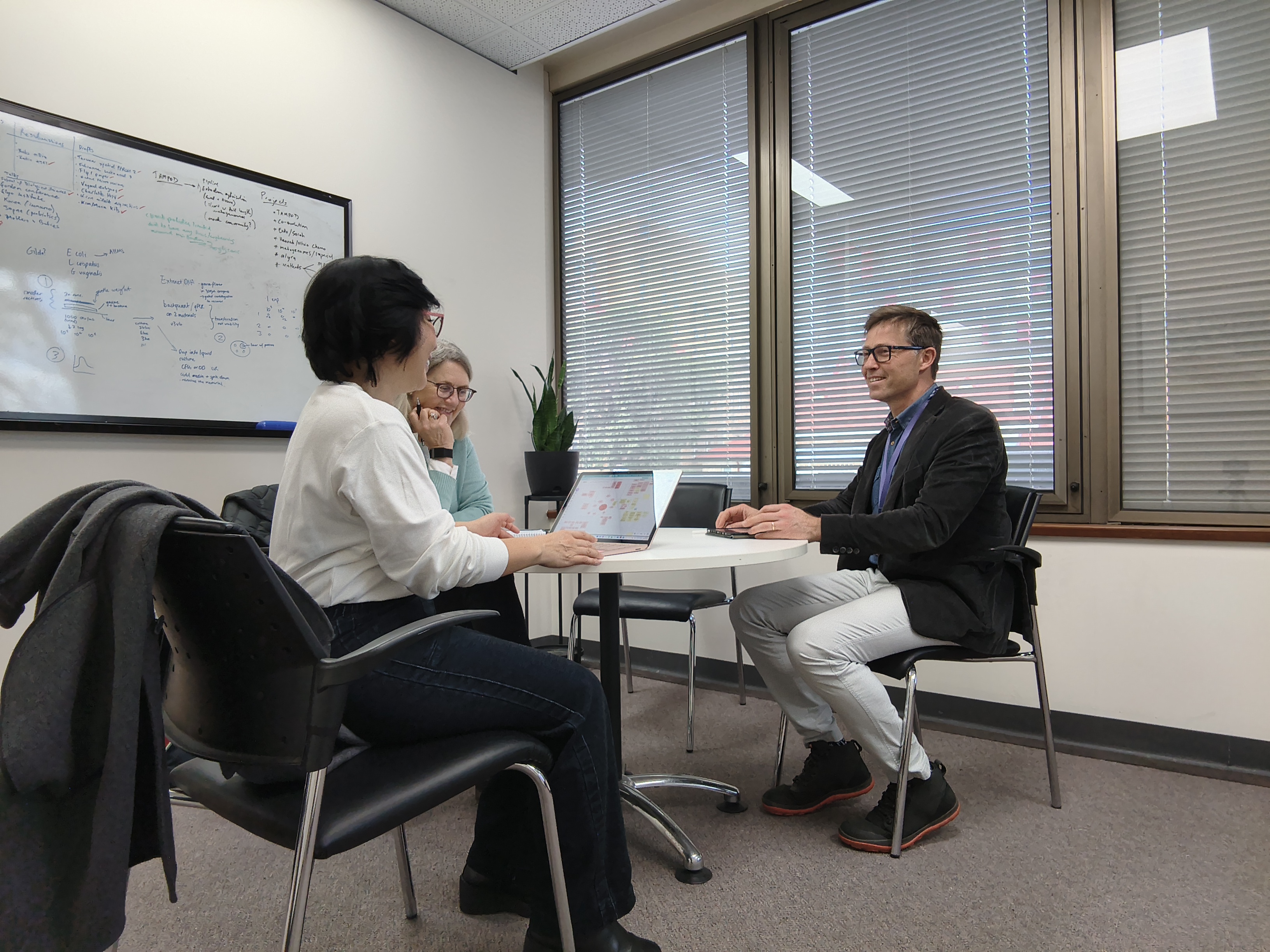
three people sitting in an office

From right: Prof David MacIntyre, Dr Carolyn Berryman, Eugenie Lee

In the meantime, I’ve been doing my own research. Here is what we know so far about the relationship between menopause and the gut microbiome:

https://zoe.com/learn/gut-microbiome-menopause-changes

According to Zoe Science & Nutrition, our gut is a hormone factory. If we don’t look after our gut, the delicate balance of hormones will be disrupted, affecting our brain, inflammation, metabolic health, and overall wellbeing, including menopause.

As women transition into menopause, the oestrogen that has been supporting our gut health declines, leading to many gut and brain issues (anxiety, depression, memory, and executive functions).

Zoe’s podcast, episode (2 July 2 2026 issue) – ‘How to build a better brain: The 5 foods you need to protect your memory, mood and to cut dementia risk | with Felice Jacka (Professor of neuropsychiatry) and Tim Spector (Professor of Genetic Epidemiology).

https://www.podbean.com/ea/dir-k6d63-2f23ab13


Another research material I’ve found is a book titled ‘The Menopause Gut’ by Cynthia Thurlow. Here is a downloadable short info to learn about four gut types for menopausal women.

https://assets.cdn.filesafe.space/KoVj9BZlFtLUyD4Z4uVi/media/69c2545a427f6e27fd66d568.pdf


4 things you can do today to improve your immunity – interview with gastroenterologist Dr Giulia Enders.

https://www.youtube.com/watch?v=dVTF1xRt3sw

I am currently reading her two books, ‘Gut’, and ‘Organ Speak’. She also did a Netflix documentary called ‘Hack Your Health: The Secrets of Your Gut’.
COMMON THREADS THAT BIND WOMEN UNDERGOING MENOPAUSE

(NOTE: ‘women’ in this project refers to individuals who identify as such and/or are born with a genetic makeup that necessitates undergoing the female menopausal transition – peri-menopause, menopause, and post-menopause. For convenience, I will use the term ‘menopause’ to encompass the whole transition and the second half of women’s lives.)

This is an ongoing topic throughout my R&D. For now, I’ll add a few key research pointers here, so I can remind myself whenever I need a refresher.


  • “menopause has a funny way of forcing us to grow. It asks us to advocate for ourselves, establish boundaries, prioritise our health, and step into the next chapter with intention. Looking back, some of the hardest lessons have also been some of the most transformative.


  • So much of the menopause conversation centres around what we’ve lost, what hurts, what changed, or what wasn’t there for us. Those stories matter and deserve to be told. But there’s something incredibly powerful about asking women what they want.


  • What do we want healthcare to look like? What do we want aging to look like? What do we want for our daughters and granddaughters? What would it feel like to be informed, supported, strong, vibrant, and seen?


  • For many women, menopause becomes less about decline and more about awakening. It pushes us to learn, advocate, set boundaries, prioritise our health, and become the author of our next chapter.


  • While the symptoms may differ, so many women share the same experience of feeling confused, dismissed, unprepared, or simply wondering, “Why didn’t anyone tell me this?”


  • Menopause is so much more than hot flushes. It’s identity, relationships, confidence, grief, resilience, reinvention, and discovering a strength we didn’t know we had.


  • Menopause is often talked about as a disease and seen through symptoms (with 38 known symptoms), but it’s a major growth period in the second half of women’s life trajectory. This period needs education, anticipatory guidance/preparation, and support. – food, diet, rest, mental health, reduce stress. How to augment their health for the rest of their lives? Normalise conversations about menopause; no mystery or hesitancy around it. “How do you feel?” is often missing in the menopause conversation – quality of life.


  • The brain is the biggest source of intimacy.


  • Estrogen is everywhere throughout the body. Lower estrogen levels affect our brain first. And then skin and muscles (including the vagina and vulva), and organs.


  • Weight distribution changes and weight gain can also affect psychological, cultural, economic, and social conversations; this needs to happen as women’s bodies change.


  • Weight gain has nothing to do with willpower (or the lack of).


  • Disrupted sleep: 8 out of 10 can be all-consuming and affect the entire day. Also brings brain fog. It directly impacts how they process/metabolise food, heightens reward centres in the brain, and leads to quick fixes for bad food, which in turn worsens sleep. Worsens other menopause symptoms.


  • Higher diet quality reduces symptoms by 20- 30%. Diverse plants that feed the gut and improve the microbiome are key. This is a relatively new area of study but promising. But there is no silver bullet that makes everything better.


  • Everything is inter-related. That means if one thing isn’t working, it can negatively affect the rest. It also means that if one thing improves, the rest can also follow positively.


  • Be selfish! Self-care is needed. Make the best decision for yourself. Small, bite-sized changes/improvements are key. For example:
    • Exercise snacking (eg, Feel Good With Lavina), including 1 min of tiny movement snacking throughout the day can be just as effective as 45min intensive gym sessions.
    • Balance, weight-bearing movements (stair climbing, fast walks, hopping, standing on one leg)
    • A short boogie down in the morning has been studied to benefit sleep.


  • HRT is better to be taken through skin (transdermal) absorption – that’s because it does not go through the liver first, rather than pills (oral) that go through the liver.


  • Menopause is the time when women’s health begins to shift. In the pre-menopausal state, women’s health has generally lower risk factors compared to men. Men’s health risk factors steadily increase as they age. But when women are in menopausal transition, their health risk factors dramatically increase, catch up to men’s risk factors, and can shoot up for the worse.


  • Eating healthy, diverse plant-based foods, fermented foods, and healthy oils can reduce risk factors.


  • Ethnicity, race, and access can affect women’s experience. Important to adapt for cultural sensitivity.


  • Many Asians experience fewer hot flushes due to particular microbes that can convert food chemicals that bind to estrogen receptors. Very early stage of study.

THE BASICS OF HORMONES IN MENOPAUSE (Part 2)

(NOTE: ‘women’ in this project refers to individuals who identify as such and/or are born with a genetic makeup that necessitates undergoing the female menopausal transition – peri-menopause, menopause, and post-menopause. For convenience, I will use the term ‘menopause’ to encompass the whole transition and the second half of women’s lives.)


  • In conjunction with the hormonal top-up, evidence shows there are many other proactive steps we can take, which my collaborators and I are exploring for narrative development.
  • The current recommendations suggest improving physical activity, sleep, stress management, and nutrition. Easier said than done, so we need extra support and knowledge in these areas.
  • Hormones are present throughout our bodies. We have always had them. We need them to survive and function well. Balanced hormones help keep us well.
  • During the menopause transition, hormones fluctuate and eventually decline significantly. Menopause affects the whole person, not just the reproductive organs, such as the ovaries. We should never underestimate the impact of diminishing hormones, as these issues are real. Here is a good resource in plain English, along with actionable advice. https://www.youtube.com/watch?v=DvT6NNpwA0I&t=56s
  • You can find out your own menopause symptom scores here for free. It is called ‘MenoScale Score’ – developed by the team of scientists from ZOE, as the result of the world’s largest menopause study into the link between diet and menopause: https://zoe.com/menoscale?lead_id=51fc5152-b38d-412f-89bb-563af650ae1b
  • Too often to this day, women are discouraged from exploring HRT options by untrained doctors. Be prepared to ask for second, third, and fourth opinions if this is the case. Don’t give up.
  • Trained doctors provide evidence-based information about HRT. They encourage women to make an informed choice about whether they want a top-up.
  • Here is a growing list of menopause doctors in Australia: https://www.healthyhormones.au/c/find-a-doctor/menopause-doctors-c452a877-11d5-45f3-a51f-7413aa160ca3
  • And here, particularly suitable for telehealth for menopause support: https://wellfemme.com.au/
  • Hormones play an important protective role. When hormones are no longer there, there will be some long-term health consequences we need to be aware of; therefore, we should never dismiss women’s menopause-related concerns. Some of the health consequences are:
  • cardiovascular disease (e.g., stroke, high blood pressure),
  • neurodegenerative diseases (e.g., dementia, Parkinson’s),
  • mood disorders (e.g., depression, anxiety, suicide ideation),
  • inflammations (e.g., joint pain, autoimmune disorders, overactive Mast Cells),
  • musculoskeletal diseases (e.g., osteoporosis),
  • digestive issues (e.g., IBS, constipation, Crohn’s),
  • Urogenital dysfunctions (e.g., UTI, pelvic pain),
  • Even some cancers, and
  • Worsening neurodivergent characteristics (hormone changes can cause profound effects on their brains, particularly on neurodivergent women, and it is one of the reasons why many women are diagnosed as neurodivergent in their perimenopause) https://www.podbean.com/media/share/dir-gudtd-2fb72336?utm_campaign=a_share_ep&utm_source=a_share_dir&utm_medium=dlink

THE BASICS OF HORMONES IN MENOPAUSE (Part 1)

(NOTE: ‘women’ in this project refers to individuals who identify as such and/or are born with a genetic makeup that necessitates undergoing the female menopausal transition – peri-menopause, menopause, and post-menopause. For convenience, I will use the term ‘menopause’ to encompass the whole transition as well as the second half of women’s lives.)

It is impossible to do research on menopause without coming across hormones. Here are some of the things I have learned so far:


  • Every woman deserves to know about hormones with the latest evidence-based knowledge, so they can make an informed choice whether to have hormonal top-up during the menopause transition.
  • Here is a conversation between Dr Louise Newson (a renowned UK menopause expert) and Dr Ceri Cashell (Australian GP and advocate for menopause) about the basics of hormones and the current situation of menopause: https://www.healthyhormones.au/c/live-events-e4b85e/power-of-hormones
  • We need well-balanced hormones to function throughout our lives. If hormones are imbalanced, our lives can get awful in every direction, because hormones are present everywhere in our body.
  • It comes down to women telling their experiences to clinicians, who listen and judiciously diagnose them for perimenopause. But it gets tricky. Many clinicians are not trained enough to identify perimenopausal symptoms, so there are plenty of undiagnosed, unsupported, and/or misdiagnosed perimenopausal women out there right now, struggling alone to make sense of their changing bodies and brains.
  • Medical schools globally teach menopause for 30 minutes – 3 hours in their entire medical training. Some universities only include menopause in a footnote.
  • Research shows that one of the best baselines for women’s functioning is to top up the adequate levels of hormones we lose as we age – body-identical hormones such as oestradiol, progesterone, and testosterone. They are called HRT (Hormone Replacement Therapy), also referred to as MHT (Menopausal Hormone Therapy), and HT (Hormonal Therapy).
  • The menopause experts state that HRT should be considered the first line to support menopausal women, not antidepressants. Yet many clinicians are more comfortable prescribing antidepressants to address many menopausal symptoms than supporting their low hormonal symptoms with a hormonal top-up. Here is a standard example most of the menopause experts share: A woman with night sweats and hot flushes keeps waking up several times at night for weeks, months, or years. Losing sleep like this, she is understandably at the end of her tether whilst expected to perform consistently well at work and care for her family. She keeps losing focus and energy. She has crazy brain fog. Her food intolerance and pooping problems also appear. She asks her doctor for help. To address all the varying symptoms, many doctors routinely prescribe antidepressants – a band-aid approach – which do nothing for the night sweats, hot flushes, brain fog, and gut issues. Whereas the right balance of HRT can. Antidepressants adversely block existing hormones from functioning.
  • The media announced in 2002 that the Women’s Health Initiative (WHI) trial on synthetic hormones reported that all HRT gives women breast cancer. This study was flawed and further misconstrued by the media. But overnight, millions of women around the globe stopped using HRT. Medical students, globally, have also missed out on learning about HRT and menopause ever since to this day. Not that there was much attention to menopause studies to begin with, but even this dismal amount of study got taken out of their curriculum. This fear-mongering misinformation remains the dominant medical knowledge today. Soon after the report was released, the researchers involved in the original study revealed its flaws, but no one heard them, nor did the media rectify the damage they’d caused. Many of the current medical professionals in menopause advocacy – such as Dr Mary Claire Haver, Dr Kelly Casperson, Dr Louise Newson, and Dr Ceri Cashell – have openly said they were self-taught in menopause studies because they were never taught in their years of medical training. Although they worked in the menopause field, they themselves were blindsided by their own perimenopause symptoms. Many of these incredible medical practitioners now provide education to other clinicians and to the public, disseminating accurate, evidence-based information.
  • My mother missed out on HRT support because of the WHI conundrum. My aunties and all the other women who had cared for me have also missed out. They now have a long list of serious illnesses. I can’t stop wondering if they had taken HRT, whether their devastating daily struggle could have been more manageable, or even prevented. The more I learn about this area, the more it breaks my heart. I know HRT is not a panacea, but I also know now that a hormone top-up can never be underestimated for optimising our body functions and mental health. It provides an excellent baseline so we can move forward with what we want to do throughout the second half of our lives.
  • Body-identical hormonal therapy, which most HRT is these days, comes with very low risk and can effectively support many symptoms. If women didn’t like them, they could stop taking them anytime and naturally return to their menopausal state with their usual symptoms within days, without any hang-ups. On the other hand, antidepressants actively suppress hormones and come with many side effects. They have never supported common symptoms like hot flushes, headaches, sleep, and digestive issues, yet these medications have often been the go-to prescriptions since the 2002 WHI incident. If women (or men) didn’t like them, it could be a hellish shitshow to come off them.
  • Almost every woman in their menopause transition, with a very small percentage of exceptions, is safe to take HRT. Because HRT is body-identical, it’s cheap to produce and cheap to buy. Pharmaceutical companies can’t profit from HRT.
  • Bio-identical oestradiol patches/cream/gel are mostly derived from wild yams or soy. The synthetic estrogen tablets from olden days for the WHI study in 2002 were derived from pregnant horses’ urine at a very high concentration, called Conjugated Equine Estrogens (Premarin). These are not the same types of estrogen as what we use now.
  • The human body naturally produces estradiol. We do not produce Premarin. Beware of lumping all ‘estrogens’ into one box. If it gets too confusing, just remember estradiol. Estradiol specifically is the anti-inflammatory hormone. This is the good estrogen type. This is the one we had in abundance when we were younger, smoother, tighter and healthier. We lose this as we get older, and topping up with this one is a good idea. Estradiol.
  • We need to top up with progesterone, testosterone, and estradiol, as they work synergistically. Progesterone is estradiol’s trusty sidekick. We need it, even if women no longer have a uterus.
  • Women have more testosterone than estrogen. So most menopausal women also need a testosterone top-up. All three work together.
  • Except for a very small percentage of women, most women in menopausal transition would benefit from a hormonal top-up, if they choose to have it.