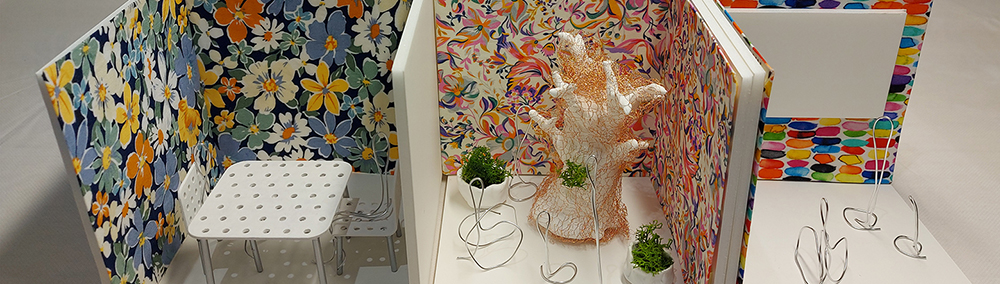
INFLAMMATION

The more I do research, the more I come across the topic of inflammation. It is clear that menopause and aging are intrinsically linked to inflammation.


Here are friendly easy resources to learn more about inflammation – I tried reading scientific literature about inflammation but it’s a serious mind-boggling #(%*&$@(%. I can’t even get a simple definition of inflammation in plain English. When I came across the resources below, I was relieved and delighted.

ZOE Science & Nutrition | 4 foods that heal your gut and reduce inflammation (in as little as 24 hours!) | Dr Will Bulsiewicz

https://www.podbean.com/ea/dir-q7inj-2a7efc34

Or a YouTube version https://www.youtube.com/watch?v=I6jQgIjuNHU


James Nestor’s book, ‘Breath’, entertainingly shares stories and scientific studies on breathing correctly to drastically improve our wellbeing and reduce anxiety and stress, which, in turn, calm chronic inflammation. On his website, he freely shares audio breathwork if you sign up.

https://www.mrjamesnestor.com/audio


ZOE Science & Nutrition | The daily step count that cuts inflammation in half | Prof. Janet Lord

https://www.podbean.com/ea/dir-zzyzn-261200a0


OTHER LINKS I ALSO LOVED:

ZOE Science & Nutrition | Davina McCall: Make this choice every day to reduce menopause symptoms

https://www.podbean.com/ea/dir-6393v-21bcb3f5

ZOE Science & Nutrition | Fix your sleep with the Royal Marine’s sleep consultant Dr. Sophie Bostock

https://www.podbean.com/ea/dir-uwwwk-27ab4cd6

COMMON THREADS THAT BIND WOMEN UNDERGOING MENOPAUSE

(NOTE: ‘women’ in this project refers to individuals who identify as such and/or are born with a genetic makeup that necessitates undergoing the female menopausal transition – peri-menopause, menopause, and post-menopause. For convenience, I will use the term ‘menopause’ to encompass the whole transition and the second half of women’s lives.)

This is an ongoing topic throughout my R&D. For now, I’ll add a few key research pointers here, so I can remind myself whenever I need a refresher.


  • “menopause has a funny way of forcing us to grow. It asks us to advocate for ourselves, establish boundaries, prioritise our health, and step into the next chapter with intention. Looking back, some of the hardest lessons have also been some of the most transformative.


  • So much of the menopause conversation centres around what we’ve lost, what hurts, what changed, or what wasn’t there for us. Those stories matter and deserve to be told. But there’s something incredibly powerful about asking women what they want.


  • What do we want healthcare to look like? What do we want aging to look like? What do we want for our daughters and granddaughters? What would it feel like to be informed, supported, strong, vibrant, and seen?


  • For many women, menopause becomes less about decline and more about awakening. It pushes us to learn, advocate, set boundaries, prioritise our health, and become the author of our next chapter.


  • While the symptoms may differ, so many women share the same experience of feeling confused, dismissed, unprepared, or simply wondering, “Why didn’t anyone tell me this?”


  • Menopause is so much more than hot flushes. It’s identity, relationships, confidence, grief, resilience, reinvention, and discovering a strength we didn’t know we had.


  • Menopause is often talked about as a disease and seen through symptoms (with 38 known symptoms), but it’s a major growth period in the second half of women’s life trajectory. This period needs education, anticipatory guidance/preparation, and support. – food, diet, rest, mental health, reduce stress. How to augment their health for the rest of their lives? Normalise conversations about menopause; no mystery or hesitancy around it. “How do you feel?” is often missing in the menopause conversation – quality of life.


  • The brain is the biggest source of intimacy.


  • Estrogen is everywhere throughout the body. Lower estrogen levels affect our brain first. And then skin and muscles (including the vagina and vulva), and organs.


  • Weight distribution changes and weight gain can also affect psychological, cultural, economic, and social conversations; this needs to happen as women’s bodies change.


  • Weight gain has nothing to do with willpower (or the lack of).


  • Disrupted sleep: 8 out of 10 can be all-consuming and affect the entire day. Also brings brain fog. It directly impacts how they process/metabolise food, heightens reward centres in the brain, and leads to quick fixes for bad food, which in turn worsens sleep. Worsens other menopause symptoms.


  • Higher diet quality reduces symptoms by 20- 30%. Diverse plants that feed the gut and improve the microbiome are key. This is a relatively new area of study but promising. But there is no silver bullet that makes everything better.


  • Everything is inter-related. That means if one thing isn’t working, it can negatively affect the rest. It also means that if one thing improves, the rest can also follow positively.


  • Be selfish! Self-care is needed. Make the best decision for yourself. Small, bite-sized changes/improvements are key. For example:
    • Exercise snacking (eg, Feel Good With Lavina), including 1 min of tiny movement snacking throughout the day can be just as effective as 45min intensive gym sessions.
    • Balance, weight-bearing movements (stair climbing, fast walks, hopping, standing on one leg)
    • A short boogie down in the morning has been studied to benefit sleep.


  • HRT is better to be taken through skin (transdermal) absorption – that’s because it does not go through the liver first, rather than pills (oral) that go through the liver.


  • Menopause is the time when women’s health begins to shift. In the pre-menopausal state, women’s health has generally lower risk factors compared to men. Men’s health risk factors steadily increase as they age. But when women are in menopausal transition, their health risk factors dramatically increase, catch up to men’s risk factors, and can shoot up for the worse.


  • Eating healthy, diverse plant-based foods, fermented foods, and healthy oils can reduce risk factors.


  • Ethnicity, race, and access can affect women’s experience. Important to adapt for cultural sensitivity.


  • Many Asians experience fewer hot flushes due to particular microbes that can convert food chemicals that bind to estrogen receptors. Very early stage of study.

THE BASICS OF HORMONES IN MENOPAUSE (Part 2)

(NOTE: ‘women’ in this project refers to individuals who identify as such and/or are born with a genetic makeup that necessitates undergoing the female menopausal transition – peri-menopause, menopause, and post-menopause. For convenience, I will use the term ‘menopause’ to encompass the whole transition and the second half of women’s lives.)


  • In conjunction with the hormonal top-up, evidence shows there are many other proactive steps we can take, which my collaborators and I are exploring for narrative development.
  • The current recommendations suggest improving physical activity, sleep, stress management, and nutrition. Easier said than done, so we need extra support and knowledge in these areas.
  • Hormones are present throughout our bodies. We have always had them. We need them to survive and function well. Balanced hormones help keep us well.
  • During the menopause transition, hormones fluctuate and eventually decline significantly. Menopause affects the whole person, not just the reproductive organs, such as the ovaries. We should never underestimate the impact of diminishing hormones, as these issues are real. Here is a good resource in plain English, along with actionable advice. https://www.youtube.com/watch?v=DvT6NNpwA0I&t=56s
  • You can find out your own menopause symptom scores here for free. It is called ‘MenoScale Score’ – developed by the team of scientists from ZOE, as the result of the world’s largest menopause study into the link between diet and menopause: https://zoe.com/menoscale?lead_id=51fc5152-b38d-412f-89bb-563af650ae1b
  • Too often to this day, women are discouraged from exploring HRT options by untrained doctors. Be prepared to ask for second, third, and fourth opinions if this is the case. Don’t give up.
  • Trained doctors provide evidence-based information about HRT. They encourage women to make an informed choice about whether they want a top-up.
  • Here is a growing list of menopause doctors in Australia: https://www.healthyhormones.au/c/find-a-doctor/menopause-doctors-c452a877-11d5-45f3-a51f-7413aa160ca3
  • And here, particularly suitable for telehealth for menopause support: https://wellfemme.com.au/
  • Hormones play an important protective role. When hormones are no longer there, there will be some long-term health consequences we need to be aware of; therefore, we should never dismiss women’s menopause-related concerns. Some of the health consequences are:
  • cardiovascular disease (e.g., stroke, high blood pressure),
  • neurodegenerative diseases (e.g., dementia, Parkinson’s),
  • mood disorders (e.g., depression, anxiety, suicide ideation),
  • inflammations (e.g., joint pain, autoimmune disorders, overactive Mast Cells),
  • musculoskeletal diseases (e.g., osteoporosis),
  • digestive issues (e.g., IBS, constipation, Crohn’s),
  • Urogenital dysfunctions (e.g., UTI, pelvic pain),
  • Even some cancers, and
  • Worsening neurodivergent characteristics (hormone changes can cause profound effects on their brains, particularly on neurodivergent women, and it is one of the reasons why many women are diagnosed as neurodivergent in their perimenopause) https://www.podbean.com/media/share/dir-gudtd-2fb72336?utm_campaign=a_share_ep&utm_source=a_share_dir&utm_medium=dlink